Balancing Privacy and Connection
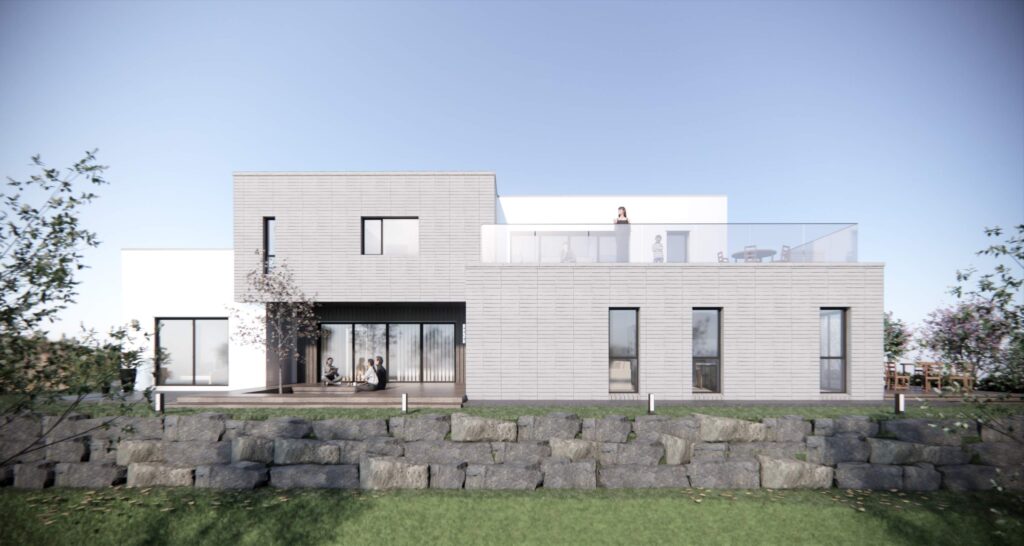
As contemporary families become increasingly diverse in structure and lifestyle, the question of how architecture can support both individual independence and collective living grows more relevant. Multi-generational households, in particular, challenge conventional domestic models by requiring spaces that accommodate differing rhythms, needs, and expectations under one roof.
The balance between privacy and connection is therefore not simply a spatial problem but a social one. Architecture must negotiate the delicate threshold between retreat and interaction, allowing family members to maintain personal autonomy while fostering meaningful relationships through daily life.
Living Together, Living Apart
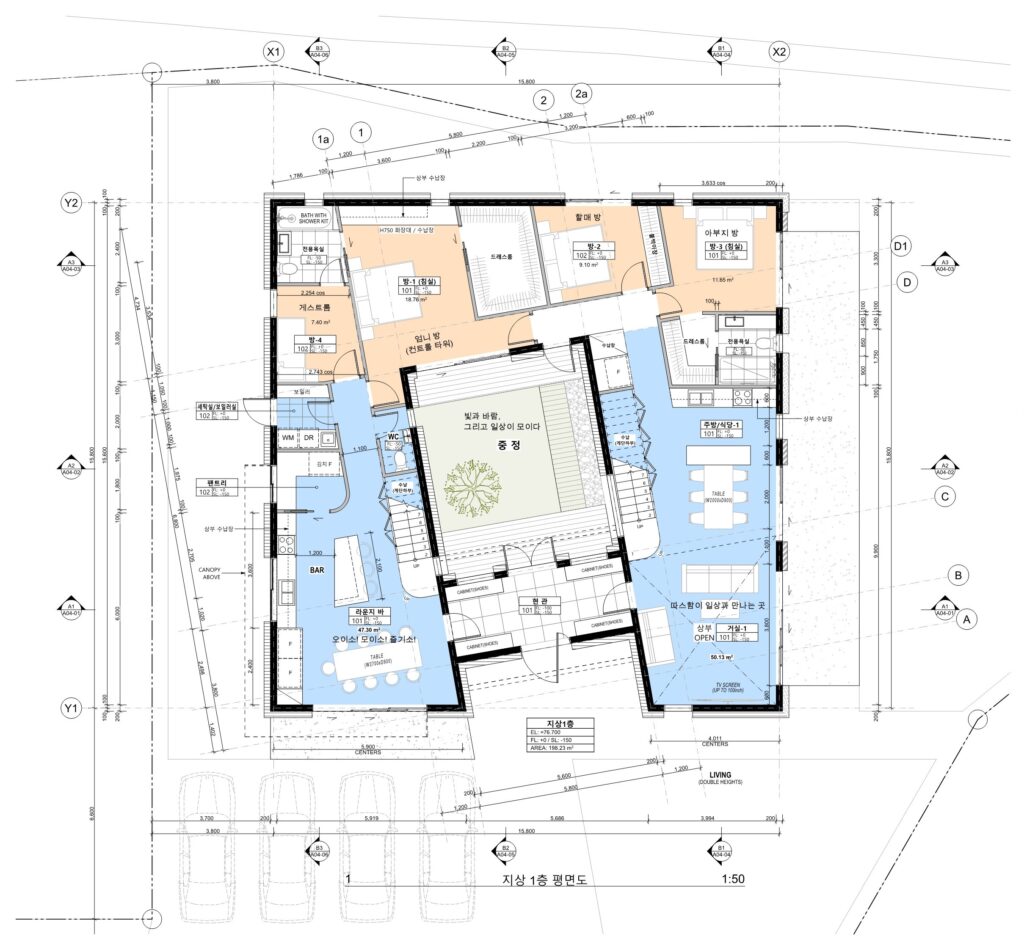
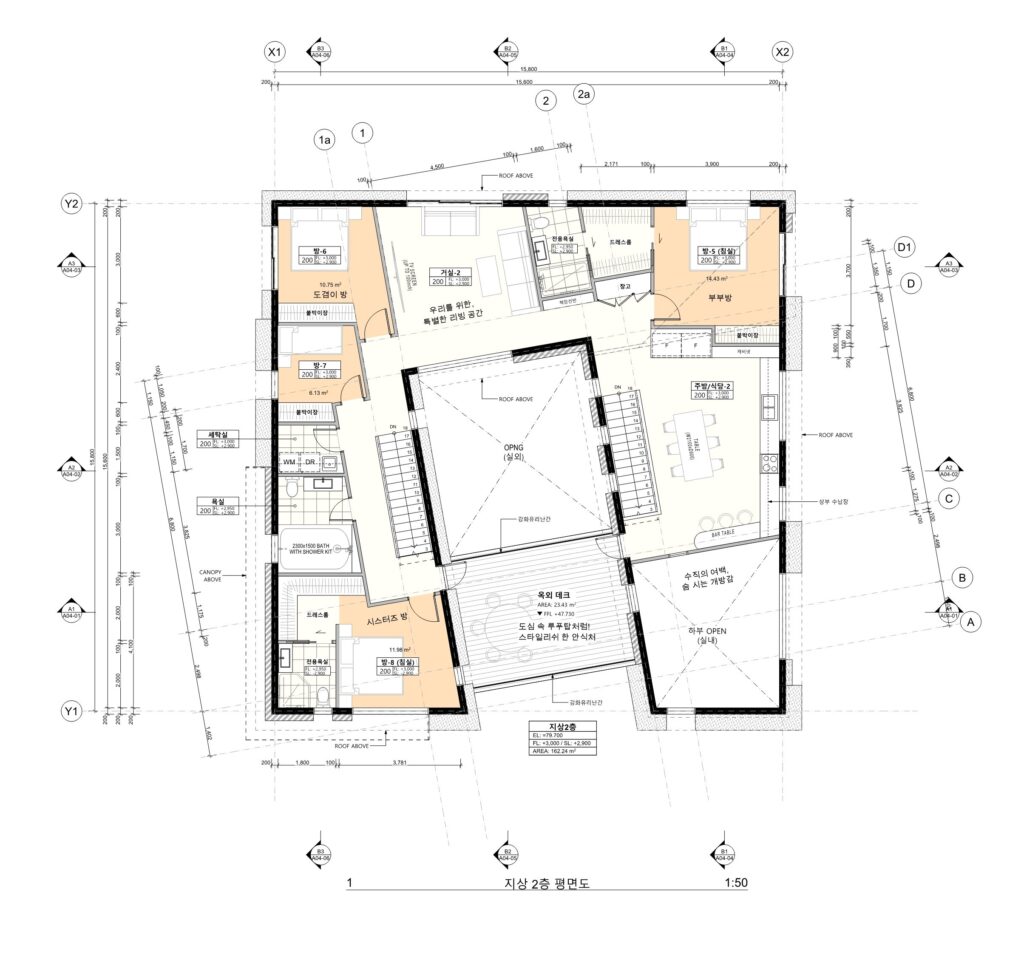
This home is a warm rural dwelling designed for four generations living together, a living arrangement that is increasingly uncommon today, including a married couple and their child, the wife’s parents, and her grandmother. Rooted in the values of family and coexistence, the design carefully balances independence and togetherness.
Each generation is provided with its own sense of territory and privacy, including a dedicated home office for the husband, allowing daily life and work to coexist harmoniously. While the spaces function independently, they are gently connected through a generous central courtyard where views intersect and everyday moments naturally overlap.
Layered Spaces
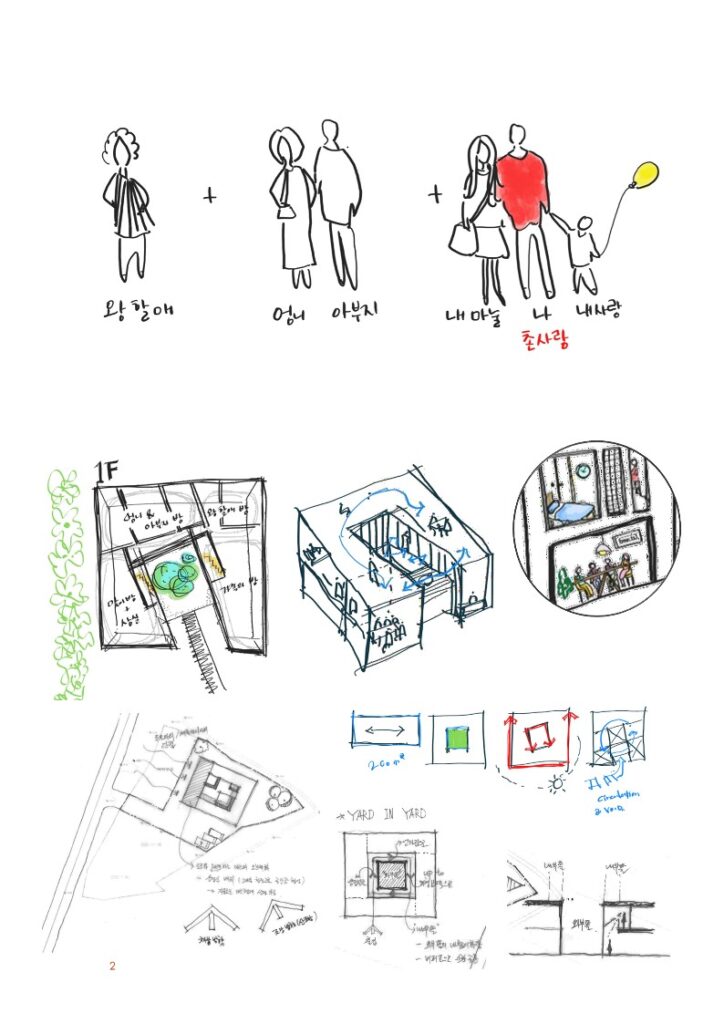
Creating transitional zones : courtyards, covered terraces, buffer gardens, provides gradual transitions between public and private realms.
Rather than treating shared living as a compromise of personal space, this can frame coexistence as an opportunity for layered living. Independent zones support different generations and modes of life from quiet retreat to focused work while carefully positioned communal spaces become places where relationships are sustained through informal encounters and overlapping routines.
Two distinct vertical circulation paths shape the home, reducing the sense of separation between generations while encouraging casual encounters and meaningful interaction. This layered arrangement supports both personal retreat and shared family life, creating a living environment that adapts to different rhythms and needs.
Four Generations, One Home
Embracing the warmth of rural living, the house bridges the boundaries between city and countryside, between generations, and between interior and exterior. It is a home that reflects the character of its inhabitants grounded, connected, and quietly enduring.